Designed experiences in Western Australia’s wild places.
A mediocre facilitator in a gorge will outperform a brilliant one in a boardroom. We know this because we’ve run both, and the gorge wins every time.
We kept hearing the same thing. Different people. Different ages. Different reasons for being there. The same sentence at the end:
“I don’t know why, but I just feel better out here.”
For a while we took the compliment. Then we started treating it as a research question. Because “I don’t know why” is not an answer. It’s an invitation.
So we paid attention. Not to what people said they felt. To what we could see happening. The breathing. The pace of conversation. The moment someone stopped performing and started being honest. The point where a group went quiet, not because they ran out of things to say, but because they no longer needed to.
These things happen in a sequence. The same sequence. Regardless of who is walking.
We’ve formalised it into a six-stage method that underpins every experience we design. You won’t hear us name the stages on the trail. You’ll just feel them working.
The Wild State
The Wild State is what happens when you put a person in the right place for long enough that their biology registers the change.
It is not relaxation. Relaxation is what a couch does. It is not mindfulness. Mindfulness is something you impose on yourself. The Wild State is what your nervous system does on its own when the environment stops competing for your attention and starts restoring it.
The opposite is what you’re probably in right now. Shallow breathing. Scattered focus. A low-grade alertness calibrated by notifications. Not a disorder. Just the predictable output of a nervous system that hasn’t had a genuine change of context in weeks.
The problem is not you. The problem is where you are.
Place Prescription
Not all terrain does the same thing.
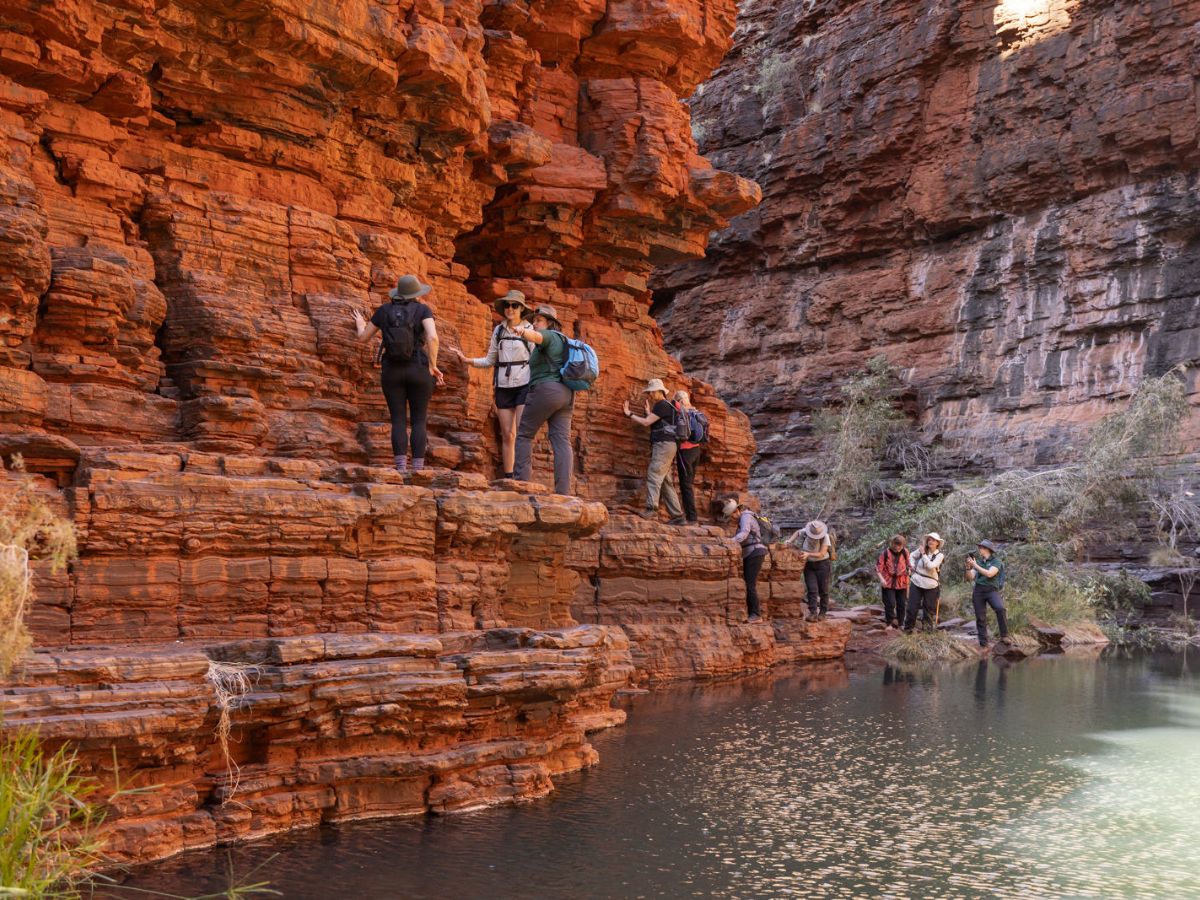
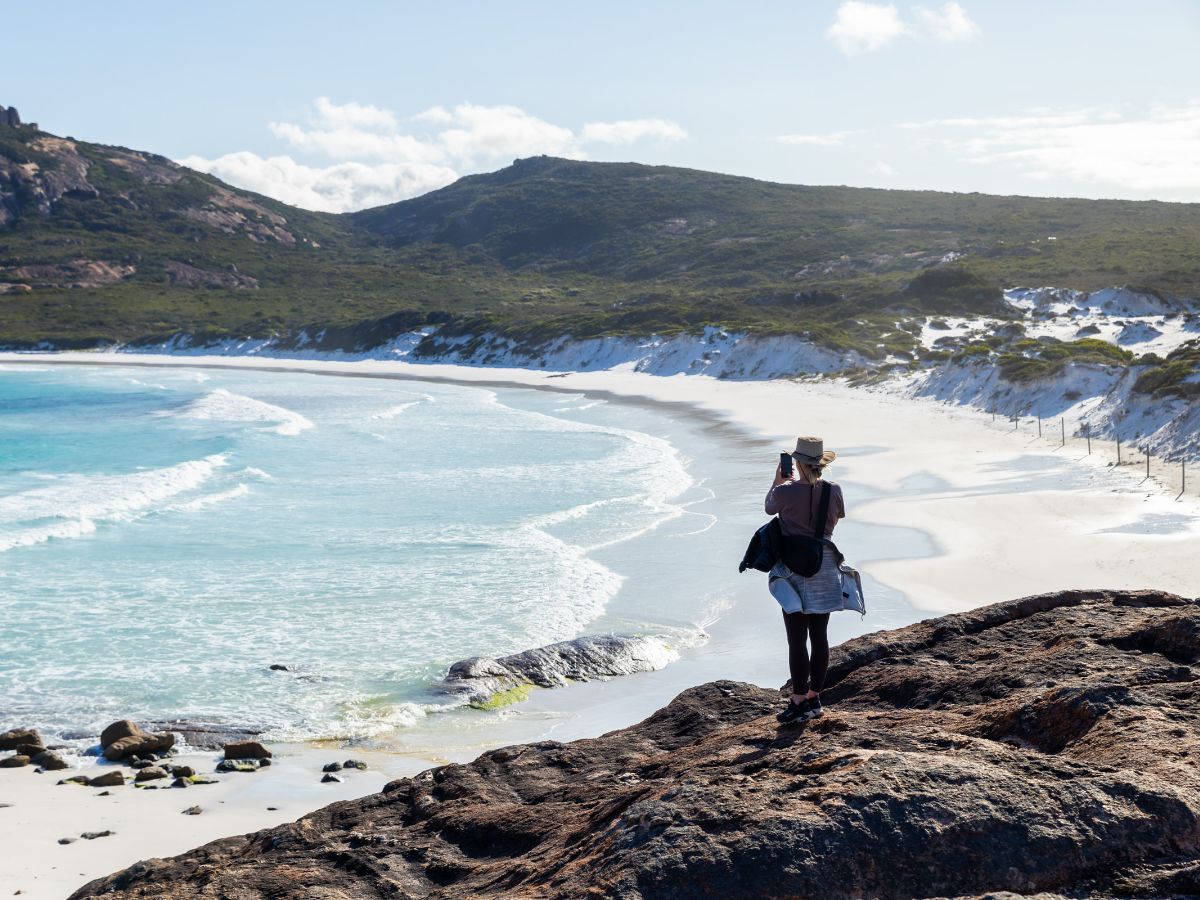
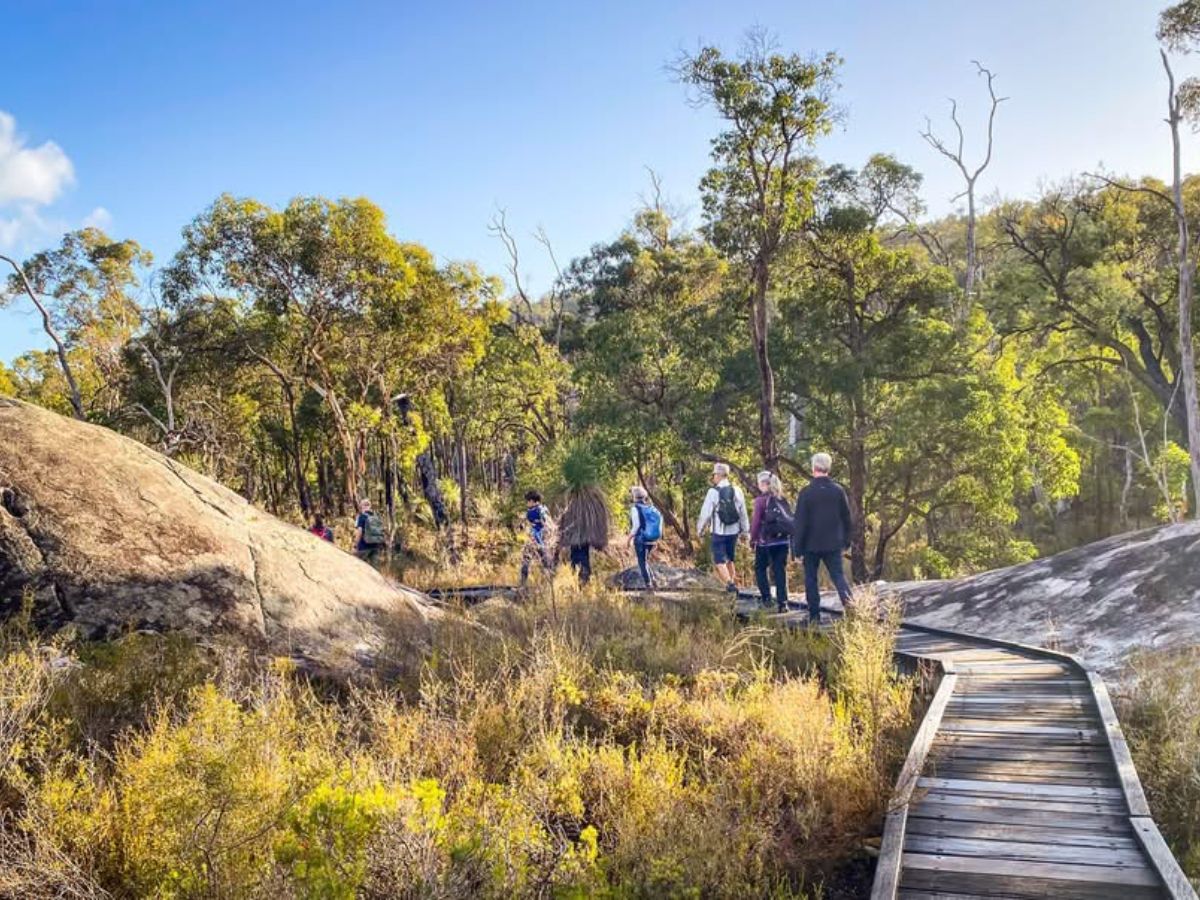
Forest canopy lowers cortisol and quiets the default mode network. Coastal walking shifts heart rate variability. Gorges produce a cognitive narrowing that forces present-tense attention. Granite ridgelines produce the kind of expansive thinking you will not get from a whiteboard.
We match terrain to human need the way a sommelier matches wine to food. We call it Place Prescription. It is why the same trail produces a different result when we design the experience around it.