23rd January 2026
THE BUZZ OF THE WILD
That feeling you had on trail? It wasn’t just a nice day out. It was your biology doing something it rarely gets to do anymore.
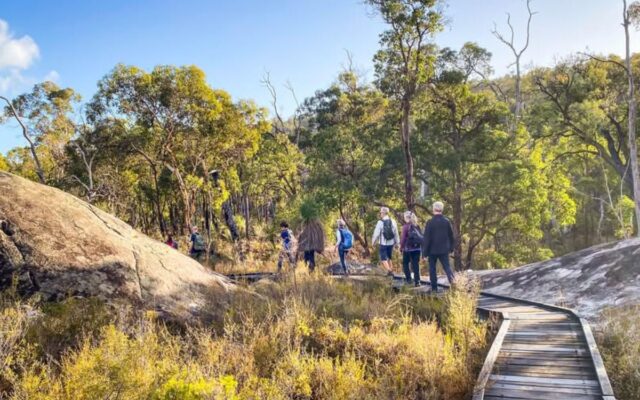
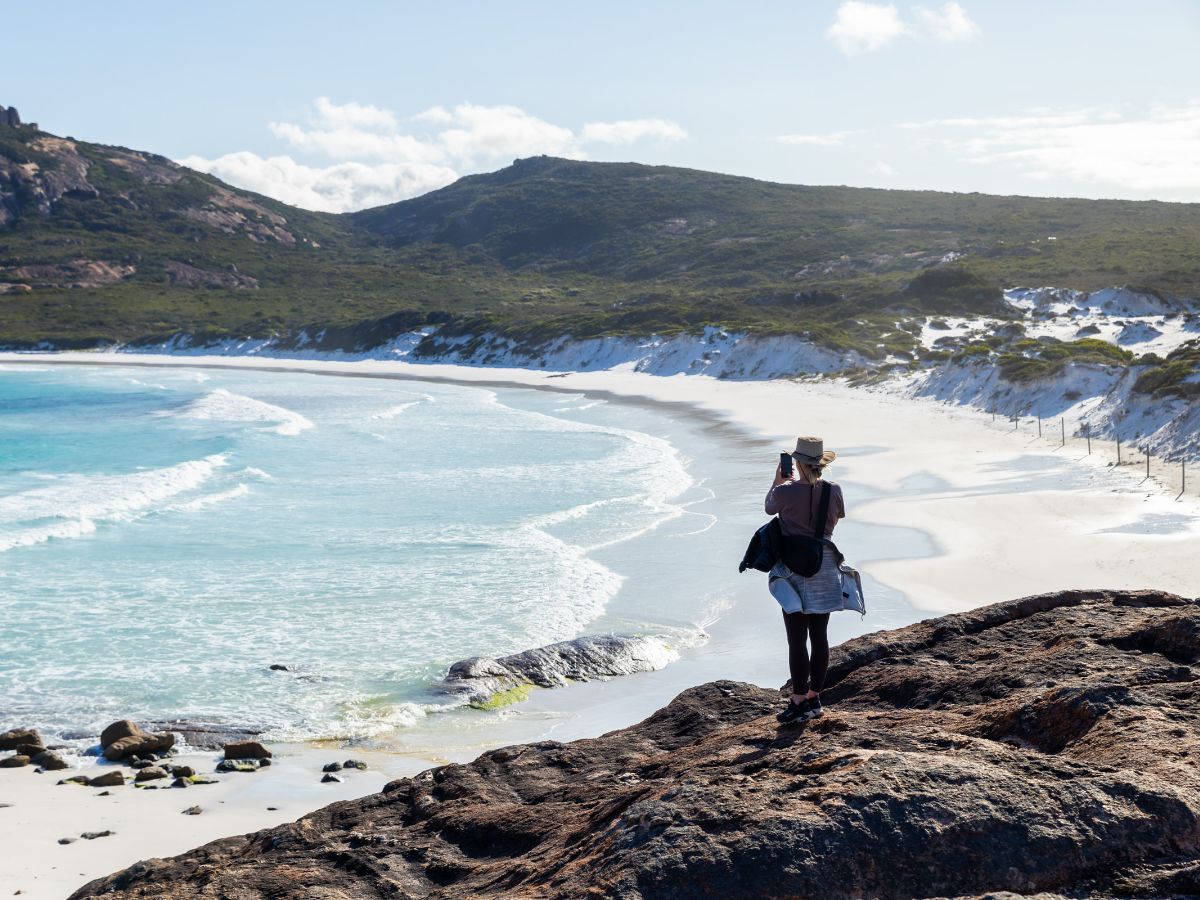
Perhaps you have just completed your first hike. Maybe your second, or you have done it a thousand times by now… Either way, chances are you came for the scenery. The fresh air. Maybe to tick something off a list, get some steps in, or try something different for once.
But something else happened out there, didn’t it?
Maybe it was somewhere between the rhythm of your footsteps and the rustle of the jarrah. Maybe it was a conversation that went deeper than you’d expected, or a silence that didn’t need filling. Maybe, for the first time in months, you weren’t mentally rehearsing what you had to do when you got home. You just… were.
That buzz you felt? That wasn’t just endorphins. It was biology meeting belonging. Movement meeting meaning. Place meeting presence.
And it doesn’t have to be accidental.
Here’s what most people get wrong: they treat time in nature as a luxury. A nice-to-have when life calms down. They file it under “self-care” and forget about it by Tuesday.
The old idea sounds like this:
- “It was lovely, but back to reality now.”
- “I should do that more often” (but never do).
- “That’s what holidays are for.”
We’ve been taught that wellness happens in studios, apps, and therapy rooms. That productivity happens at desks. That connection happens over drinks or dinner.
So we keep trying to fix ourselves in the same environments that broke us.
Meanwhile, we spend 93% of our time indoors. We average seven hours of screen time daily. We’re lonelier than any generation before us, despite being more “connected” than ever.
And we wonder why the quick fixes don’t stick.
The mistake isn’t that you don’t prioritise nature. The mistake is thinking it’s optional.
The new idea: What you experienced wasn’t escape. It was restoration. And the science is unambiguous.
The Research
The 20-Minute Threshold Researchers at the University of Michigan found that 20-30 minutes in a natural setting produces the steepest drop in cortisol—your stress hormone. That’s not a week’s holiday. That’s less time than your commute. After that threshold, benefits continue to accumulate, just at a slower rate. This is why healthcare practitioners are now writing “nature prescriptions” with actual dosage recommendations.
The Attention Reset Your brain uses two types of attention. “Directed attention” is what you use for emails, decisions, navigating traffic—it depletes you. “Soft fascination” is what nature provides: clouds moving, leaves rustling, light shifting on water. It captures your attention without demanding anything. This is Attention Restoration Theory, and it explains why you can think clearly on trail when you couldn’t at your desk.
The Creativity Boost Four days of nature immersion increases creative problem-solving by 50%. But you don’t need four days—Stanford research found that walking alone boosts creative thinking by 60%, and that effect persists after you stop.
The Connection Compound Social isolation increases your risk of premature death by 26%. Loneliness increases it by 29%. That’s comparable to smoking 15 cigarettes a day. Group-based activities in natural settings are emerging as one of the most effective interventions. Not because of the exercise, but because of the combination: movement, place, and belonging working together.
What I’ve Observed
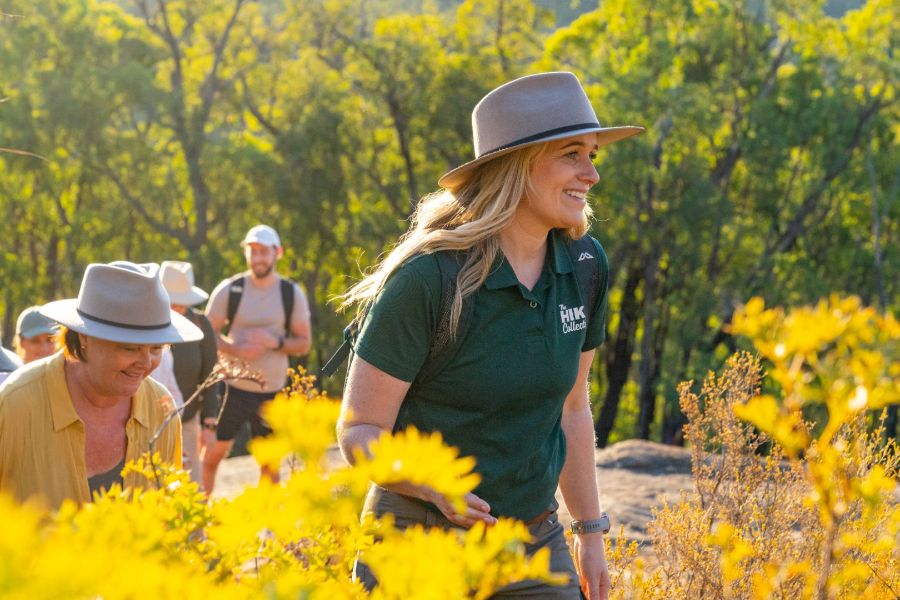
After ten years guiding 25,000 people through wild places, I’ve watched the same pattern unfold thousands of times.
People arrive guarded. They carry the week in their posture. Within twenty minutes, something shifts. The breath moves lower in the body.
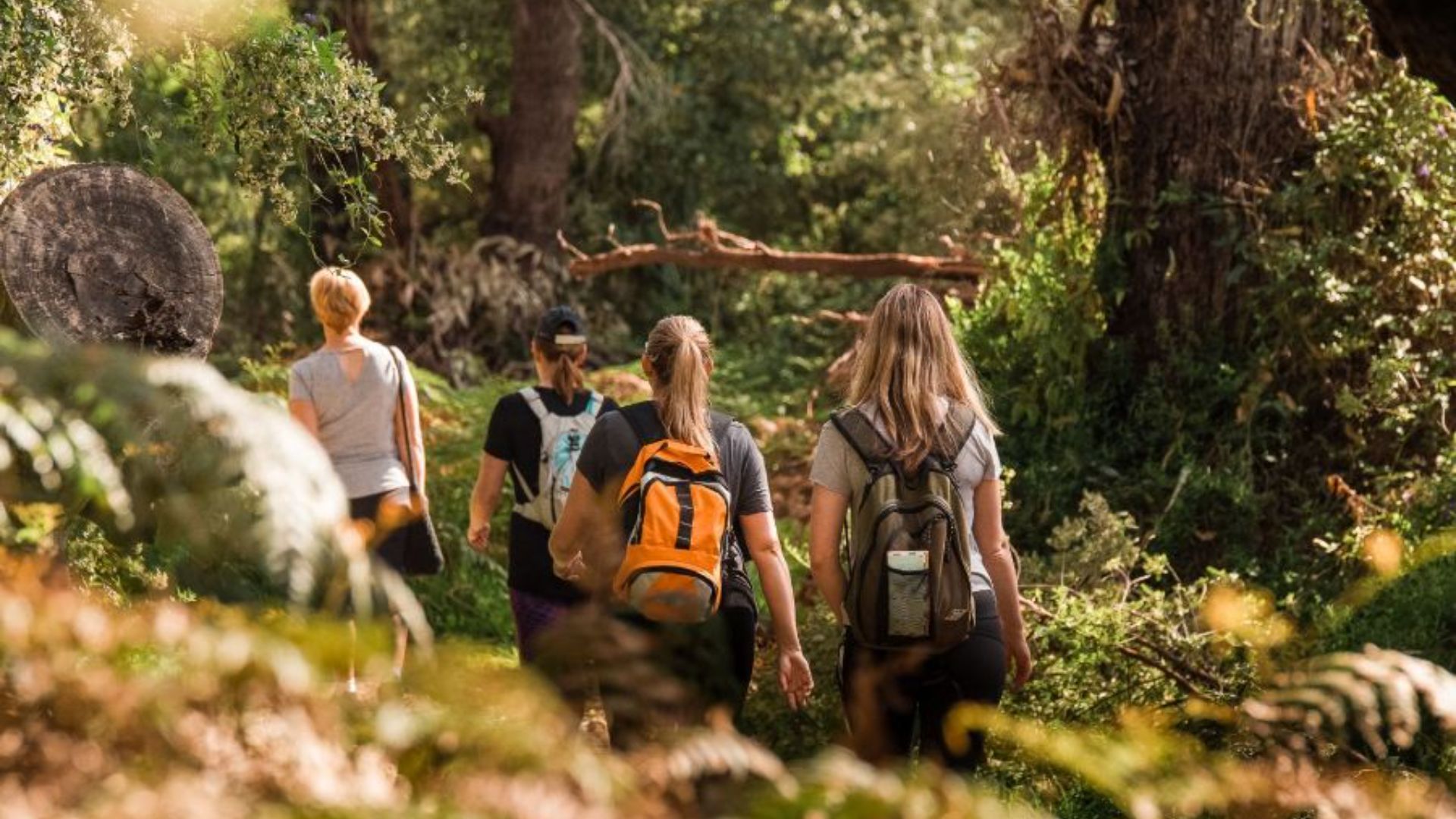
About an hour in, the conversations change. People stop rehearsing what they’ll say next. They start actually thinking out loud, sometimes for the first time in weeks.
Strangers become friends in ways that feel inexplicable afterward. “I don’t usually open up like that,” they say. But they did. Because walking together, facing the same direction, sharing the same rhythm. It bypasses the performance of normal social interaction.
I used to get annoyed watching groups arrive at a beautiful summit, immediately pulling out phones for the Instagram shot. Consuming the place like something they could dispose of. Instead of breathing it in. Feeling the gift of being there.
What I’ve learned is this: place is the most underleveraged variable in human performance. The environment you put yourself in shapes what becomes possible. Nature doesn’t just make you feel better, it makes you function better.
How to make it stick: The WILD Protocol
You don’t need a week-long wilderness retreat. You need intention and consistency. Here’s what actually works:
Wonder
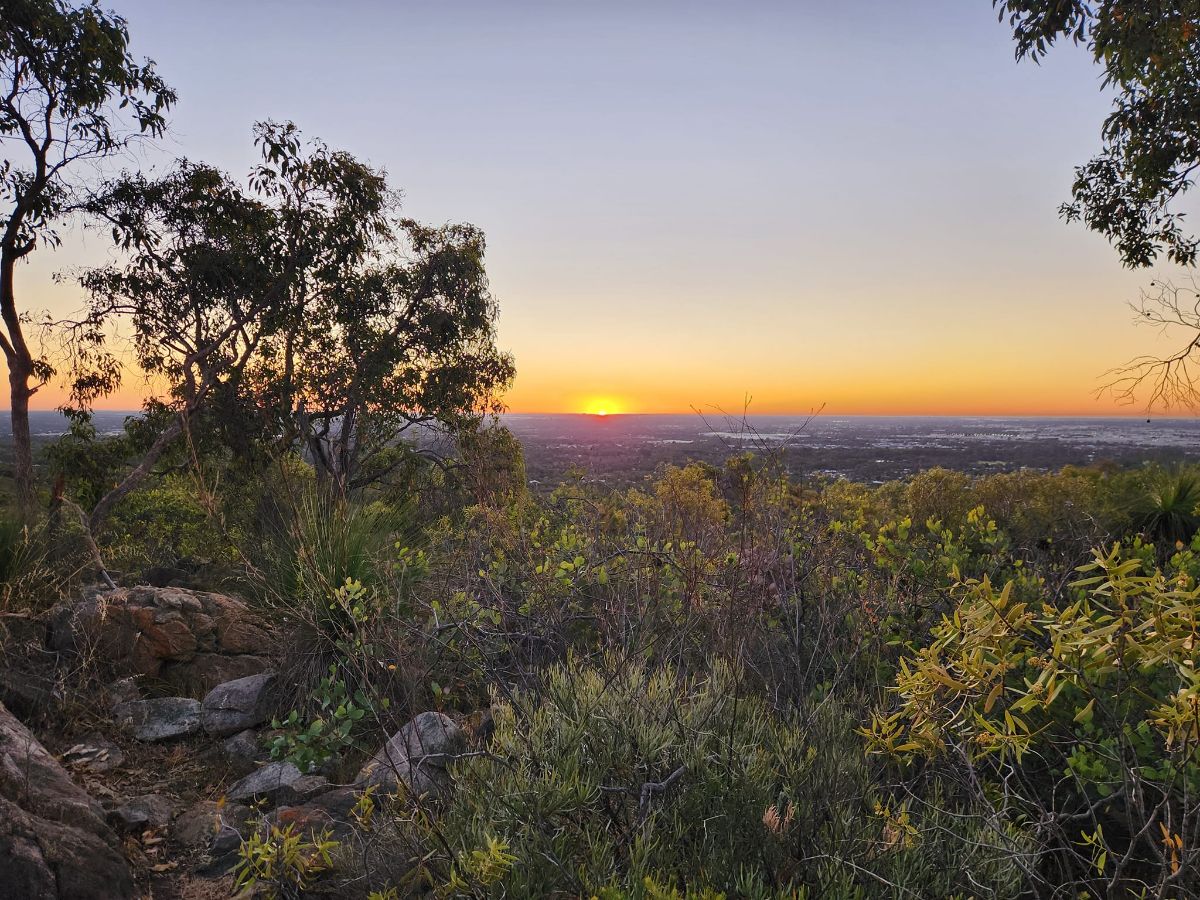
Cultivate your capacity for awe. The sunset. The beetle on the path. The fact that you’re alive at all. Wonder isn’t a luxury—it’s a reset button. Don’t scroll past it. Let yourself be stopped by small things.
Inexperience
Stay willing to be a beginner. You don’t need to be “outdoorsy.” You don’t need to know what you’re doing. Inexperience keeps you present, humble, and open to what might happen. The moment you think you’ve mastered it, you’ve closed off to what it can teach you.
Landing
Let yourself arrive—fully. Not just physically. The research shows it takes 20-30 minutes for your cortisol to drop. Give yourself the time to actually be somewhere before you move on. Stop treating nature like another item on the to-do list.
Delight
Notice what gives you pleasure—without needing to justify or monetise it. This isn’t productivity. This is nourishment. Let small moments be enough. The light through leaves. The sound of your own footsteps. The conversation that goes nowhere important and everywhere that matters.
The Minimum Effective Dose
- Daily: 10-20 minutes outside, ideally with greenery. Even a park bench counts.
- Weekly: One longer nature experience (60+ minutes). Walk, hike, sit by water.
- Monthly: Half a day minimum in a wilder place. Let the reset go deeper.
- Quarterly: A full day or overnight. This is where the compound benefits stack.
“I don’t have time.” You have time. You just don’t protect it. Twenty minutes is 1.4% of your waking hours. The question isn’t whether you can afford it, it’s whether you can afford not to. What’s the cost of continuing at your current pace?
“I’m not outdoorsy.” Neither was I. Neither are most of the 25,000 people who’ve walked with us. “Outdoorsy” is an identity, not a prerequisite. You don’t need to identify with it. You just need to show up.
“It feels selfish / indulgent.” Here’s what’s actually selfish: showing up depleted to the people who need you. You cannot pour from an empty cup, and you cannot regulate others if you can’t regulate yourself. This isn’t indulgence, it’s maintenance.
“I’ll do it when things calm down.” Things won’t calm down. The pace of modern life isn’t temporary, it’s the new normal. Waiting for the right time is the same as deciding never. Start small. Start now.
“One walk won’t change anything.” One walk won’t. But one walk repeated becomes a pattern. A pattern becomes a practice. A practice becomes a way of being. You’re not looking for a single transformation, you’re building a relationship with a resource that will serve you for the rest of your life.
Here’s what I want you to take from this:
What happened was real. The shift you felt has a biological and psychological basis. You didn’t imagine it. Honour it.
The minimum dose matters. You don’t need a week-long wilderness retreat. Twenty minutes in a natural setting, three times a week, creates measurable change. That’s accessible. That’s practical. That’s yours.
Place is the unleveraged variable. You can meditate, exercise, and journal all you want. But environment shapes experience. Where you put yourself matters more than you’ve been taught to believe.
Connection compounds. Self, others, place. They feed each other. The more you invest in one, the more the others grow.
This isn’t escape—it’s restoration. You’re not running away from your life. You’re returning to yourself so you can meet your life with more capacity.
In a world that keeps trying to fix people in the same environments that broke them, wild places offer something different.
Not escape. Restoration.
You’ve felt what’s possible. Now the question is: what will you do with it?
If you’re ready to go deeper, here are three ways to continue:
1. Take the Hiker Type Quiz
A 5-minute trail-side chat to see what type of hiker you are. https://hikertype.scoreapp.com/
2. Join Us Again
Check the calendar for upcoming public hikes, social walks, and guided experiences. The community you walked with today keeps walking. → https://www.hikecollective.com.au/
3. Bring Your Team
Complete our 5-minute team performance pulse, that maps where your team is right now → hikecollective-wildwork.scoreapp.com
Or, if what you experienced made you think “my team needs this”, let’s talk. We design half-day, full-day, and multi-day experiences for organisations ready to invest in their people’s capacity. → hikecollective.com.au/corporate
The truth is simple.
People feel better outdoors. Not because they escape their lives, but because they return to themselves. Don’t let what happened on trail fade by Monday.
Build on it