10th August 2026
The Poorest Ground on Earth
What a soil that can barely feed anything taught me about a life with too much in it
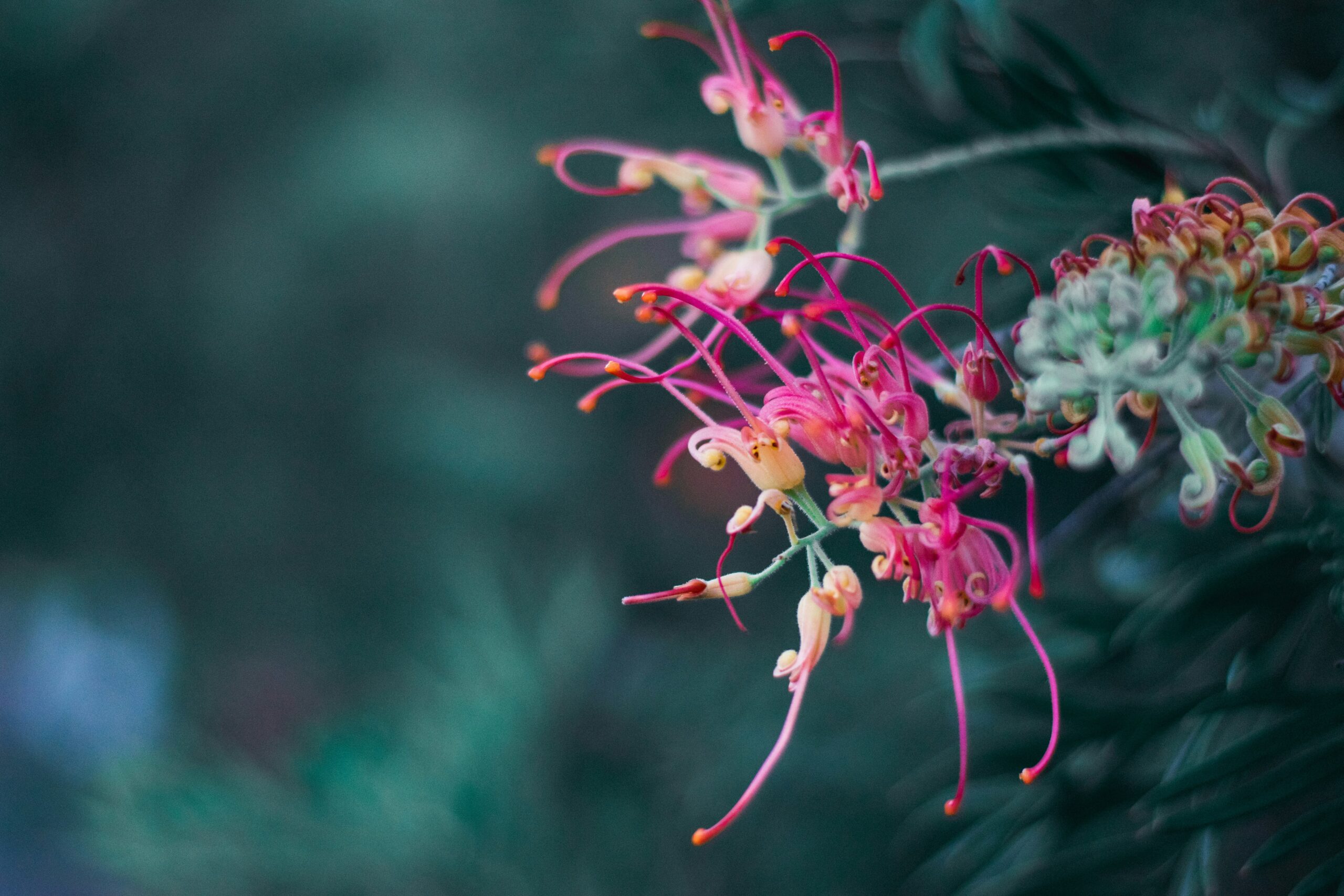
There is a particular way to kill a grevillea, and it is with kindness.
You buy it, you plant it, you want it to thrive, so you give it what you would give anything you wanted to thrive. A scoop of all-purpose fertiliser. Within a few weeks the older leaves begin to burn at the tips and edges. Then the branches start dying back from the ends toward the trunk, and by the time you understand what is happening the plant is usually beyond saving. The most common response at this point, and I have watched people do it, is to feed it again.
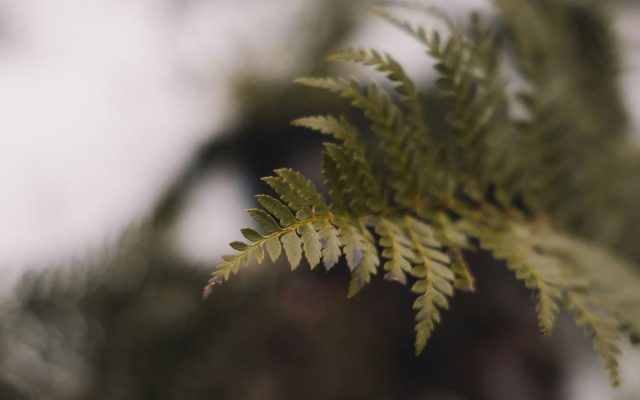
The reason is one of the more remarkable facts about the ground beneath this state. Australian soils are among the most phosphorus-impoverished on Earth, and the most severely impoverished of all of them occur here, in the south west. Our plants did not merely adapt to that scarcity. They became virtuosic at it. Banksias, hakeas, grevilleas and their relatives evolved cluster roots, dense mats of fine hair-like roots that vastly increase the surface available for drawing nutrients out of ground that has almost none to give.
And here is the part that should stop you. Those roots are so efficient at extracting phosphorus from lean soil that they cannot switch off. They have almost no mechanism for regulating uptake, because in the entire history of the ground they evolved on, restraint was never once required. Offer them a normal garden fertiliser and they will take up far more than the plant can process, and the excess becomes toxic. Growers will tell you that a single application can kill the most sensitive of them, and that once the dieback has begun the damage is usually irreversible. The plant is killed by the abundance it was never built to survive.
I have thought about that fact more than is probably reasonable, because I think it is the most useful thing this landscape has to say to the way most of us are currently living.
The richest place, on the poorest ground
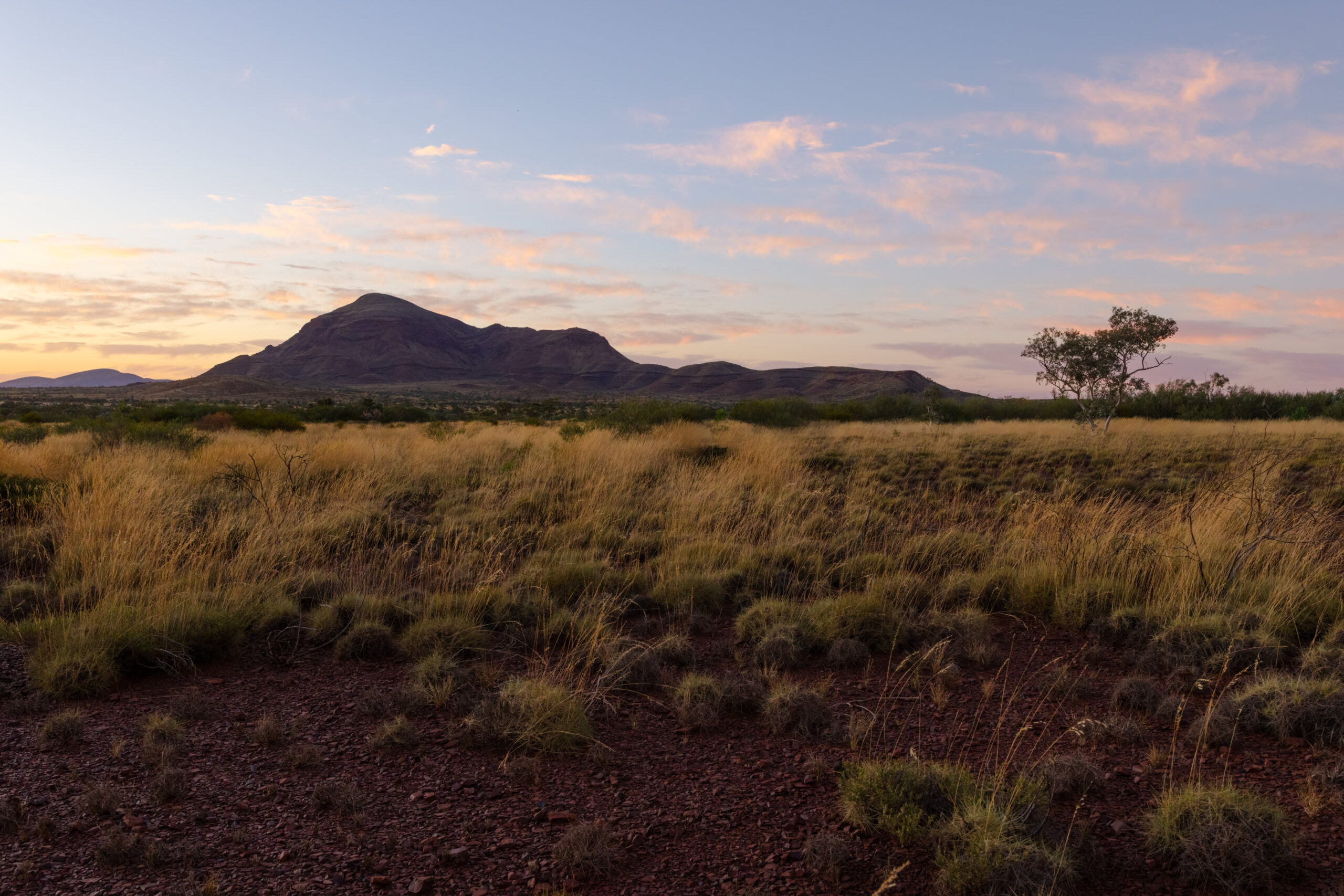
Western Australia holds more than twelve thousand wildflower species, and over sixty per cent of them exist nowhere else on the planet. It is one of the great floristic regions of the world, comparable to the Cape of South Africa, and it is not extravagant despite the poor ground. It is extravagant because of it.
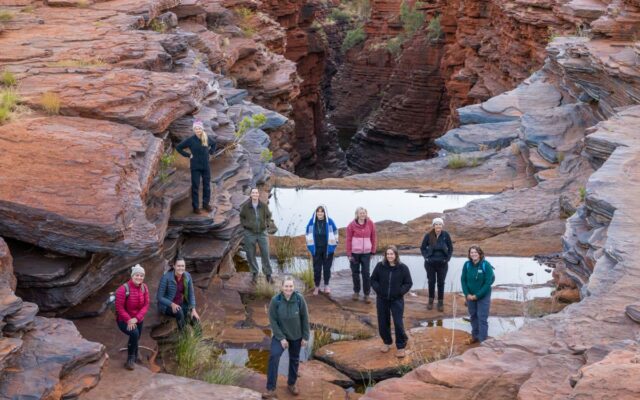
The botanist Stephen Hopper built a whole framework around this, describing landscapes like ours as old, climatically buffered and infertile. Ancient, geologically undisturbed, unglaciated for more than two hundred and fifty million years, above sea level for the last hundred and forty-five, and nutritionally destitute. On rich, young, frequently disturbed ground, a handful of vigorous species take everything and the rest are crowded out. You get abundance of biomass and poverty of kinds. On ground like ours, no species can dominate, because there is not enough on offer for domination to be possible. So instead of competing, everything specialises. Plants strike private arrangements with particular fungi, particular insects, particular pockets of soil in the lee of a particular granite outcrop, and over a very long time the result is a place where a gully can hold something that grows in no other gully anywhere.
There is a place north of Perth where you can watch this happen along a single stretch of coast. The dune systems around Jurien Bay were laid down at different times over the past two million years, which gives you neighbouring soils of wildly different ages sitting side by side. Total phosphorus is relatively high in the young dunes and falls away steadily as the soils get older. And the banksias and their relatives do not thin out as the ground gets poorer. Their abundance and their species richness go up.
Scarcity did not limit what could exist here. Scarcity is the entire reason so much exists here.
What we have done to our own ground
We have been sold the opposite idea for most of our adult lives, and we have bought it without hesitating, because it flatters us.
The good life is presented as an enriched life. More input, more optimisation, more stimulation, more opportunity, more to be across. The calendar is the garden bed and the correct thing to do is feed it. An unfilled Saturday is a design flaw. A commute without a podcast is time wasted. A child’s afternoon with nothing in it is neglect, when in fact it may be the most generous thing you can hand a person.
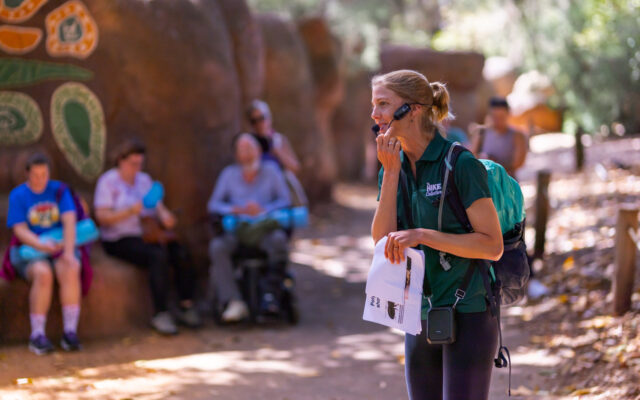
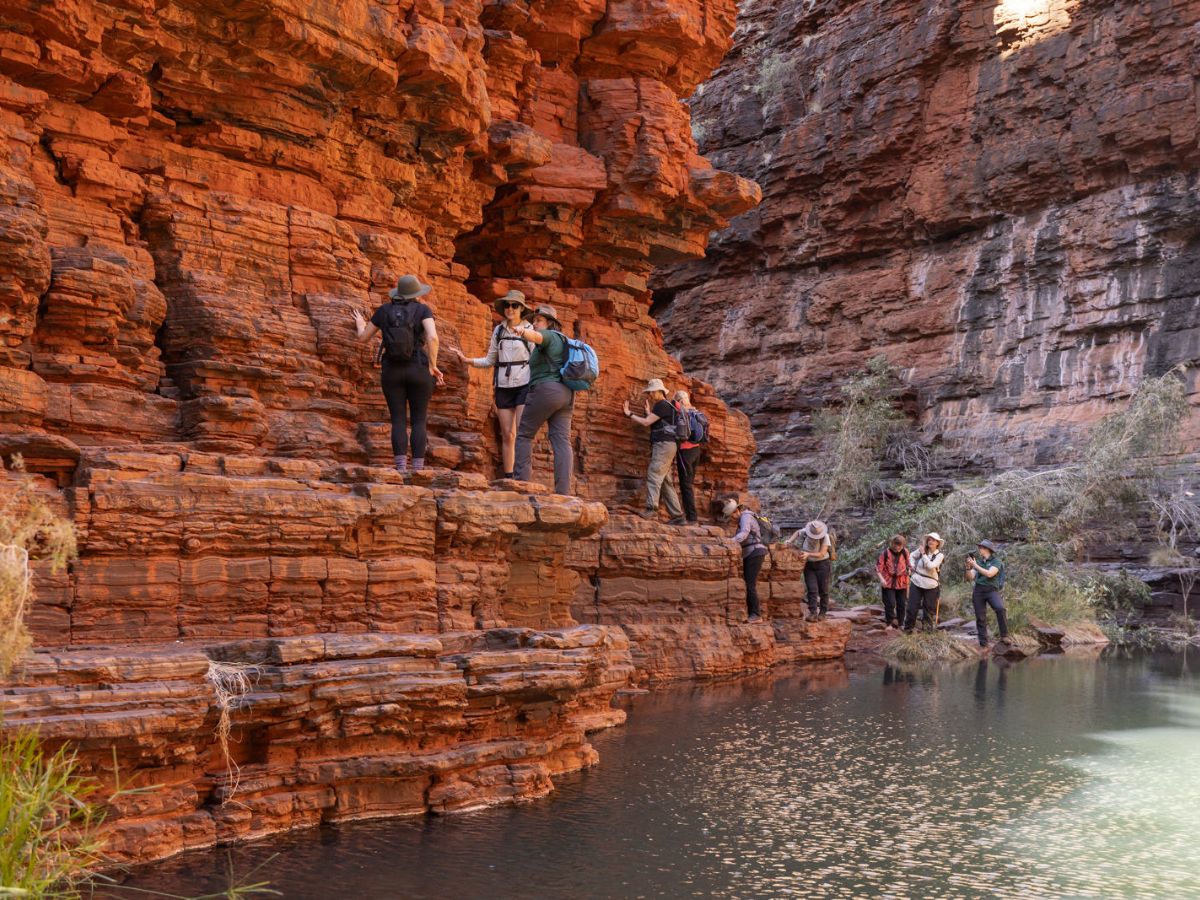
I have watched what this produces, because I have watched several thousand people arrive at a trailhead carrying it. What an over-provisioned life produces is not richness. It is monoculture. Three or four aggressive species of activity, all of them nominally worthwhile, take up everything on offer and quietly crowd out everything smaller and stranger and more interesting. Curiosity is small and strange. So is idle noticing. So is the peculiar unproductive train of thought that turns out, four years later, to have been the beginning of your actual work. None of these can compete for nutrients with an inbox.
You do not lose them dramatically. They simply stop appearing, and because their absence is quiet, you attribute the flatness to something else. Tiredness, probably. Age. The year you are having.
Less is not empty
There is a version of this argument that I want to be careful to avoid, and it is the one that ends in a bare white room and a lecture about owning fewer objects. That is decoration posing as a philosophy, and it has nothing to do with what I am describing.
The lean ground is not empty. It is uncrowded. Those are not close to the same thing. Empty is a paddock cleared and left. Uncrowded is a bushland floor in August, holding a cowslip orchid, a trigger plant, four species of pea flower and something with a leaf like a needle that you would need a hand lens and a botanist to name, all of them coexisting within a square metre precisely because none of them can take enough to overrun the others.
That is what an unfed hour looks like when you get one. Not nothing. A great many small things, most of which had been there the whole time, none of which could get a word in.
The most common thing said to me in the second hour of a walk is a version of I hadn’t thought about that in years. Not a revelation, generally. Something ordinary, retrieved. A person their brain had not had the room to bring up, or a plan they had abandoned without ever formally deciding to, or a thought about their own life that had been waiting in the litter for someone to slow down enough to see it.
Nothing was added. Something was simply not being taken.
The uncomfortable part
Here is where the metaphor stops being comfortable, because the grevillea does not die of neglect. It dies of feeding. And the person who is exhausted is very rarely the person doing too little.
If you are burnt out, the instinct is to seek recovery in the form of more input of a gentler kind. A better app. A retreat with a full programme. A holiday so densely scheduled that it requires recovery of its own. We attempt to solve over-enrichment with enrichment, in exactly the way the gardener responds to a dying plant by fertilising it again, and for exactly the same reason. Doing something feels responsible. Doing less feels like a failure of character.
But you cannot fix phosphorus toxicity with phosphorus. You can only stop, and take the source away, and wait, and hope there is enough root left.
Why place does the work
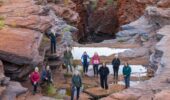
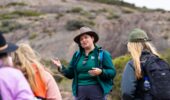
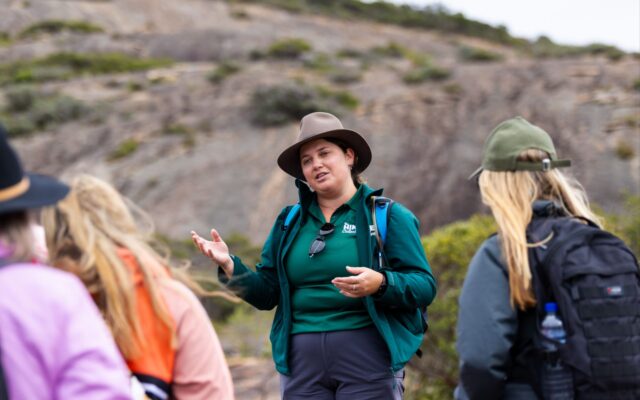
I run a business built on walking people into specific places, and I could tell you the walk is what changes them. It would be good for business and it would not be true.
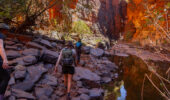
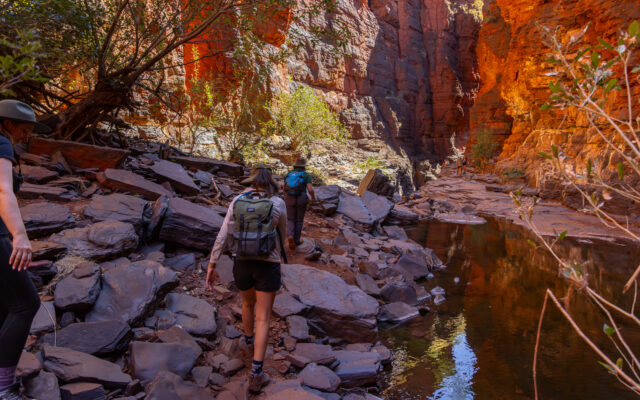
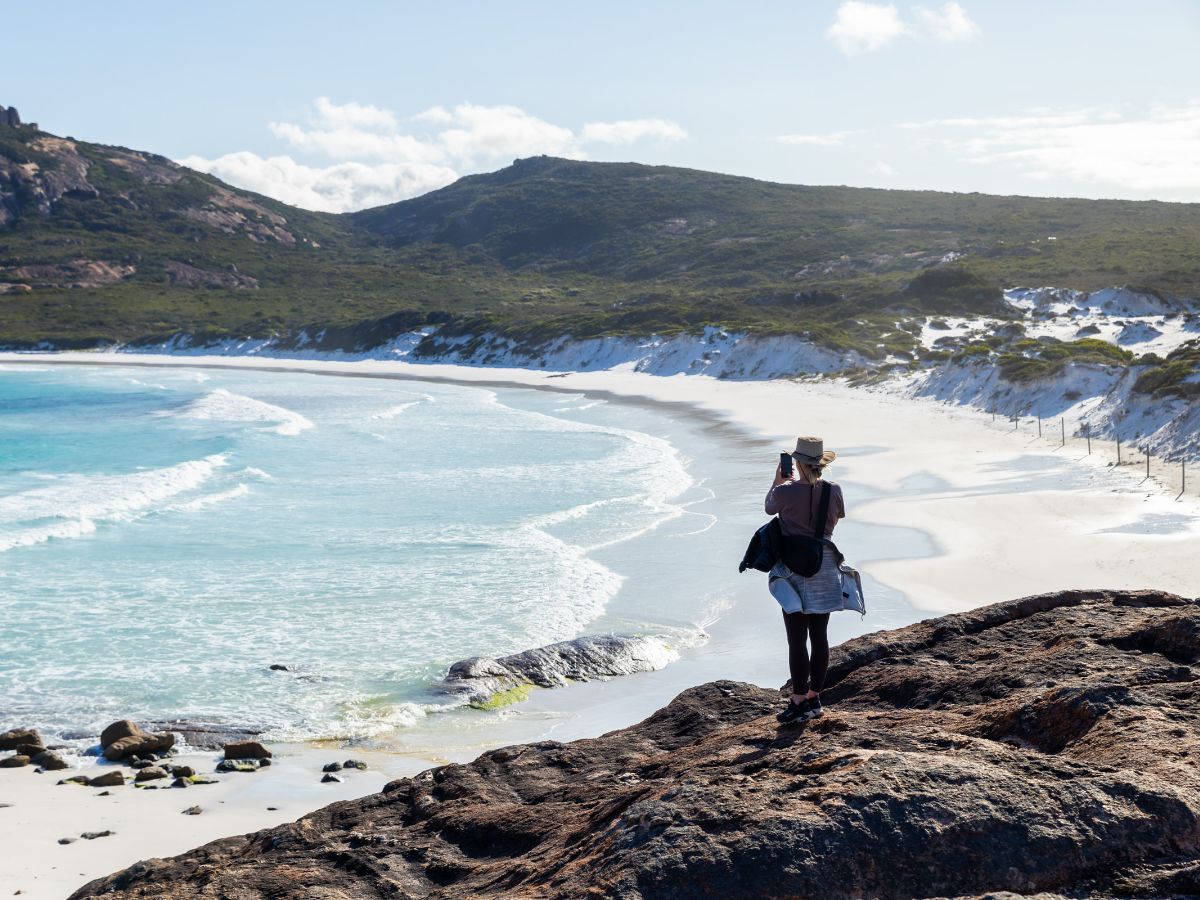
The place does it. Specifically, a place that offers you very little. No signal, nothing to buy, nobody addressing you by name, no decisions of consequence for the next several hours, and a landscape that has been getting on with things for a very long time without requiring your involvement. It is nutritionally poor country in every sense that matters to a modern nervous system, and the result is the same result the ground produces. Things that could never compete for your attention finally get some.
This is why I am unmoved by the argument that people should simply be more disciplined about rest. Discipline is a fertiliser. It is one more thing you are doing to yourself. The lean condition is not achieved through effort, it is achieved through going somewhere that is already lean and staying long enough for your own arithmetic to change.
We have twelve thousand species here as a direct consequence of ground that could not afford to be generous. It is worth sitting with the possibility that a life works the same way. That the interesting things about you are not being starved of input. They are being outcompeted, and what they need from you is not more.
They need an afternoon where nothing is offered, in a place old enough not to care whether you take it.